Acupuncture for sports injuries and pain
Dry needling, electrostimulation and sports acupuncture, in dialogue with physiotherapy: measured support for musculoskeletal injuries, at the pace of your recovery.
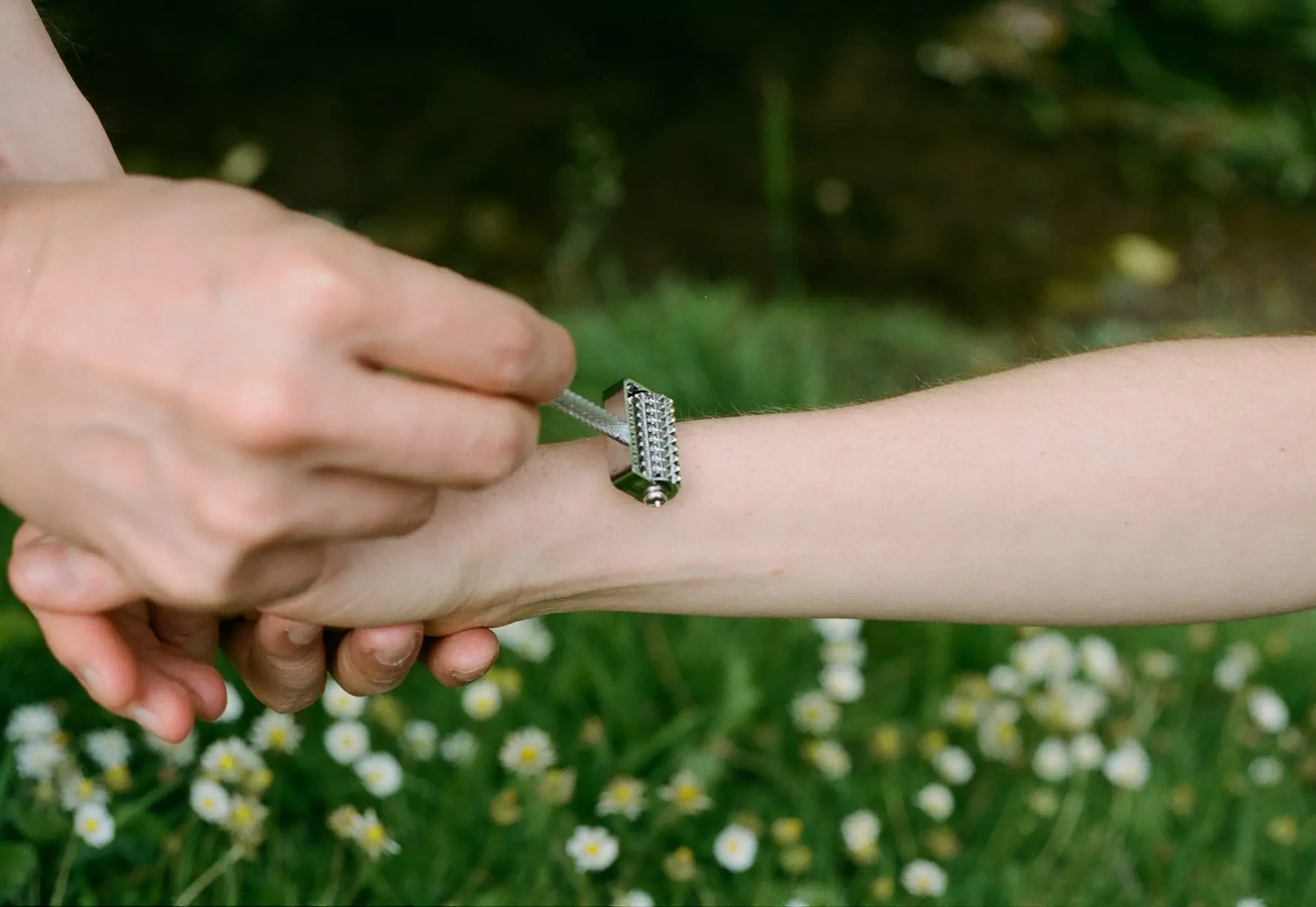
What people come to us for
These are among the reasons people consult us. Every situation is assessed individually: acupuncture takes its place within clinical care for pain and movement, with no promise of results.
Sports injuries
Sprains, strains, muscle tears: support from the acute phase through to getting back to activity.
Tendinitis, bursitis, frozen shoulder
The tendinopathies and joint conditions common to sport and to work.
Tension and posture
Back, neck and shoulder pain linked to prolonged positions or repetitive movements.
Recovery
Supporting recovery between training sessions and after exertion.
Mobility
Working with joint range of motion and the release of tight muscles.
CNESST · SAAQ
Work or road accidents: acupuncture files accepted.
What is a musculoskeletal injury?
Muscles, tendons, ligaments, nerves, intervertebral discs and joints: musculoskeletal injuries cover a wide range of conditions. They may follow a sporting activity, an accident, repetitive movements or an unsuitable posture.
Electrostimulation lets the clinician vary intensity and frequency according to the area being worked: one more adjustment in skilled hands. It is a way of working, described here as it is practised, and research hasn’t settled what each setting produces exactly.
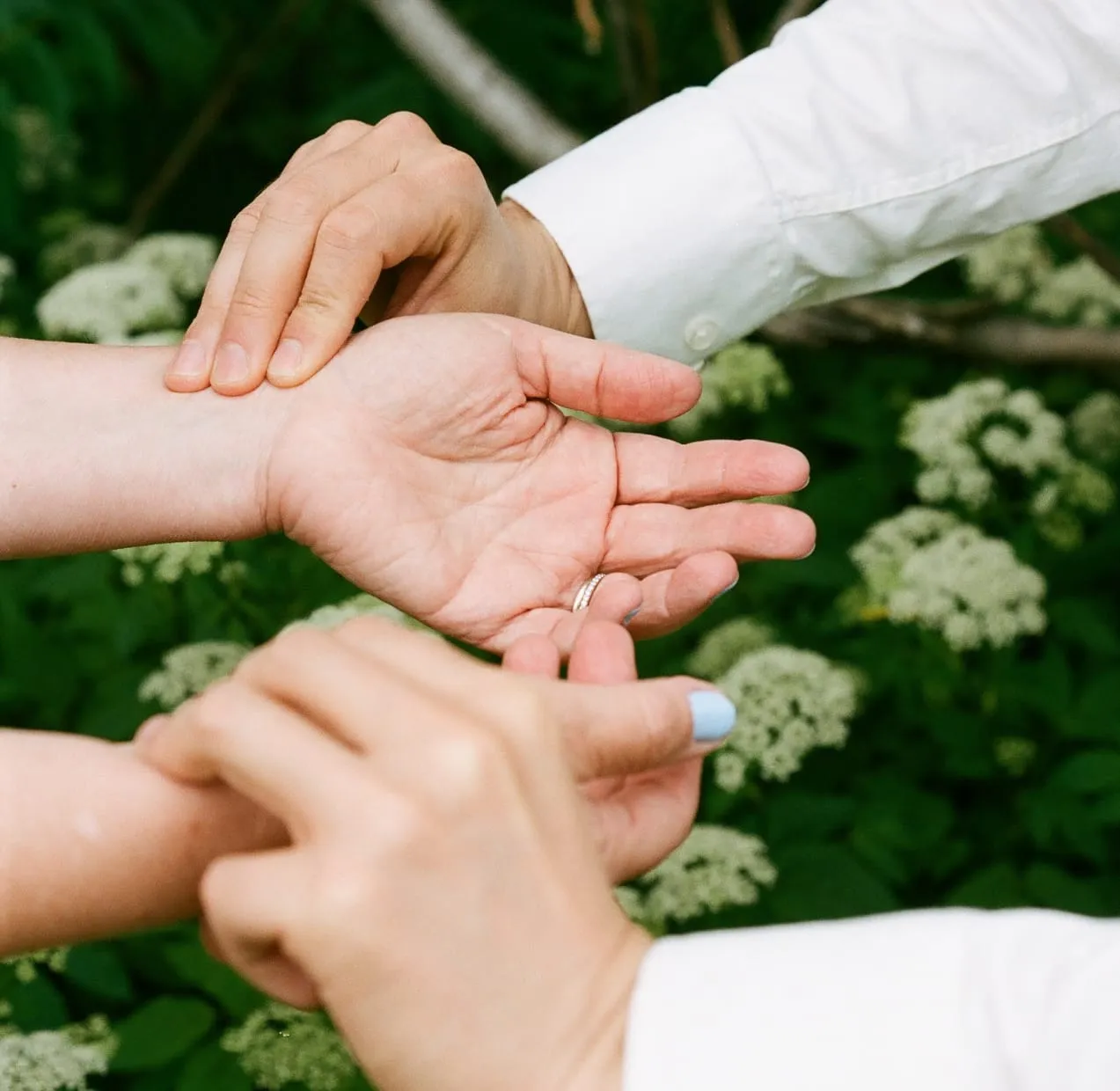
What acupuncture may bring
Four lines of work: what is studied, what is observed, and what a session can support.
Pain
Acupuncture is studied for the management of chronic pain. An individual patient data meta-analysis of 39 trials and 20,827 patients (Vickers et al., The Journal of Pain, 2018, PMID 29198932) reports a real but modest effect: about 0.2 standard deviations against sham acupuncture, about 0.5 against no treatment, with persistence at one year that decays by roughly 15%. Vickers AJ et al. (2018), The Journal of Pain · PMID 29198932 (opens in a new tab)
Inflammation
Settling an irritated area is one of the aims of needle work. Research explores these mechanisms without having settled them.
Circulation and recovery
Treatment aims to support local circulation, one of the factors in tissue recovery.
Mobility
Releasing tight muscles and working on range of motion are part of the treatment plan, depending on your condition.
Sourced statements link to their reference; the others describe our practice. The number of sessions and how things evolve vary with the condition and the person, with no promise of results.
Sports acupuncture, in dialogue with physiotherapy
We bring together the principles of traditional Chinese medicine and contemporary techniques (electrostimulation, and dry needling practised within the scope of acupuncture by Justin Lapointe, acupuncturist) within one clinic, where acupuncturists and a physiotherapist work side by side.
We take the time to listen, examine and understand your situation, then suggest a treatment plan that fits it. First visit 1 hr 30, follow-ups 1 hr 10.
CNESST files are handled by Jessica; SAAQ files, by Justin and Jessica. Insurance receipts are issued on site.
Dry needling vs acupuncture, in detailThe Bi, or the art of naming what blocks
For pain that settles into a muscle or a joint, the tradition has a word: Bi痹, the “obstruction”. The Suwen devotes its chapter 43 to it and distinguishes its forms by what is blocking: Wind that moves the pain around (xíngbì 行痹), Cold that makes it sharp and fixed (tòngbì 痛痹), Dampness that makes it heavy (zhuóbì 着痹). A joint that is hot and swollen belongs to a Heat pattern (rèbì 热痹), described later in the tradition.
It is a traditional framework, not a clinical demonstration, but it does structure the examination. Does the pain move? Does cold make it worse? Does damp weather?
Dry needling and musculoskeletal acupuncture
Dry needling targets a trigger point: a palpable knot in a muscle that produces local or radiating pain when pressed. The technique took shape in the 1980s, on the Western medical and physiotherapy side.
Acupuncture has worked far longer with points found in exactly the same way: theAshi points (阿是穴), whose name comes from what the patient says when the practitioner finds the right spot. They have no fixed location and are searched out by pressure. Trigger point and Ashi point overlap broadly: two vocabularies for the same finding.
The difference lies less in the needle than in the frame. Dry needling treats the muscle; acupuncture puts that muscle back into a wider examination, the Bidescribed above. At the clinic, dry needling is practised within the practice of acupuncture by Justin Lapointe, acupuncturist.
Dry needling vs acupuncture, in detailTwo acupuncturists, one physiotherapist
Justin Lapointe
Acupuncturist · ownerMember of the OAQSees patients in the afternoon and early evening.
Book with Justin (opens in a new tab)
Jessica Chan
AcupuncturistMember of the OAQMostly mornings, often within the week.
Book with Jessica (opens in a new tab)
Before you book
Can I keep training during treatment?
Most often, yes. The aim isn’t complete rest, but managing the load during the recovery phase. Recommendations are adapted to your sport and to your competition calendar.
How many sessions for a recent injury?
How long the follow-up runs depends on how old the injury is: an acute muscle injury is not followed the same way as chronic or recurring pain, which generally takes longer, then maintenance. Nothing is decided in advance: the pace adjusts to your response to treatment.
What if my injury is several months old?
Some people come after trying something else, others start here. Pain that lasts often sustains itself, through sleep, tension and the apprehension of movement: that whole picture is what the session addresses, not only the painful area.
Acupuncture or physiotherapy: which should I choose?
The two approaches complement each other: acupuncture works on pain and tension, physiotherapy on strength, motor control and movement. Many patients combine them. If you’re unsure, call us and we’ll point you to what fits your situation.
Do you work with my physiotherapist or my coach?
Yes. We work regularly with outside physiotherapists, athletic trainers, sports physicians and chiropractors. A written report is provided on request.
What is the difference between dry needling and acupuncture?
Dry needling targets a trigger point: a palpable knot in a muscle that produces local or radiating pain when pressed. Acupuncture has worked far longer with points found in exactly the same way, the Ashi points, which have no fixed location and are searched out by pressure. The difference lies less in the needle than in the frame: dry needling treats the muscle, acupuncture puts that muscle back into a wider examination. At the clinic, dry needling is practised within the practice of acupuncture by Justin Lapointe, acupuncturist.
Is it covered by the SAAQ or the CNESST?
If your injury follows from a road or a work accident, acupuncture may be reimbursed depending on whether your file is admissible. The steps differ from one scheme to the other, and each has its own detailed page on this site. Receipts are issued on site.
First acupuncture visit $110 (75 to 90 minutes)Follow-up session · adult $95 (60 to 70 minutes)Receipt issued on site. All rates
Further reading
Come talk to us about it
Initial consultation or follow-up, in person in the Plateau-Mont-Royal. Booking is online, through Jane.
Book an appointment (opens in a new tab)Every situation is assessed individually, within clinical care and with no promise of results.